
India Opposes Global Limits on Plastic Products in Treaty Talks
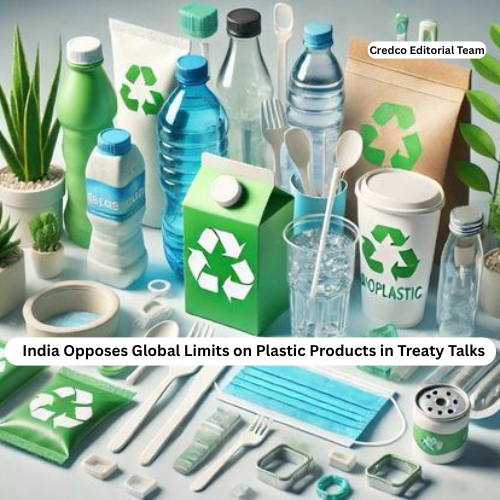
India's delegation emphasized that any treaty should concentrate strictly on addressing plastic pollution, not curbing production itself. They argued that binding timelines for phasing out plastics could hamper the nation's development trajectory.
Instead, India proposes enhancing waste management solutions, scientific regulation of harmful chemicals, and establishing a dedicated multilateral fund—similar to the Montreal Protocol model—to support developing countries in technological and infrastructural transitions.
Stay ahead of market trends with the Credco app. For any queries, reach out via WhatsApp at +918448083211.
Related on the Wire
- Crude·Tuesday, 3 November 2026
Crude Oil Slides Over 7% as US-Iran Talks Raise Hopes for Peace
Crude oil prices recorded a sharp decline on Monday as renewed diplomatic initiatives between the United States and Iran raised expectations of a possible end to the eight-month conflict. The developments eased fears of further interruptions to energy supplies from the Middle …
Read story - Supply·Friday, 16 October 2026
Turkey’s PVC Market Loses Momentum as Weak Demand Limits October Price Increases
Turkey’s imported polyvinyl chloride (PVC) market has begun to lose strength following several price increases in September and early October. Persistently weak demand from downstream industries and limited liquidity are increasingly challenging sellers’ firm pricing strategie…
Read story - Markets·Tuesday, 13 October 2026
Global Container Shipping Costs Rise 73% Since US-Iran War Began
The average cost of shipping containers has increased by 73% since the US-Iran war began, according to data from Freightos. The Freightos Baltic Index measures global container freight rates by tracking spot prices for 40-foot containers across 12 global trade lanes. The lates…
Read story - Markets·Wednesday, 7 October 2026
Global Chemical Prices Experience Volatility and Divergence
Global chemical prices are currently experiencing significant volatility and divergence as of mid-September. This is largely attributed to strong fluctuations in crude oil prices, regional supply-demand mismatches, and shifting downstream purchasing patterns. While certain bas…
Read story