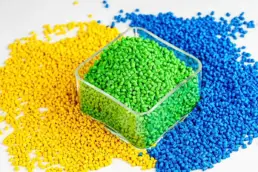
When it comes to piping systems, PVC vs HDPE, PVC (Polyvinyl Chloride) and High Density Polyethylene (HDPE) are the two most widely used polymers in India and around the world. Both offer excellent durability, corrosion resistance and versatility – but serve different needs depending on application conditions, pressures and temperatures.
Whether you’re buying pipe for an irrigation system, sewer, plumbing, or industrial use, understanding the difference between PVC and HDPE—and knowing their quality—can help you choose the right material for performance, cost, and longevity.
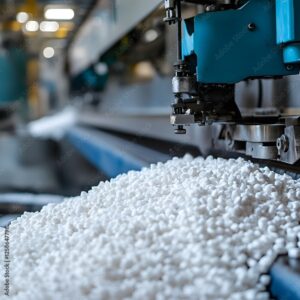
What is PVC?
Polyvinyl chloride (PVC) is a versatile thermoplastic made from vinyl chloride monomers. Available in two main forms:
- Rigid PVC (uPVC) – Non-plastic PVC, ideal for pressure and non-pressure pipelines.
- Flexible PVC – contains plasticizers that make it more flexible and is used to insulate flexible cables and hoses.
🔹 Common PVC Grades
| Grade Type | Properties | Typical Applications |
| PVC S-65 | General-purpose resin with good strength | Plumbing pipes, fittings |
| PVC S-67 | High K-value for better flow & toughness | Pressure pipes, profiles |
| PVC S-70 | Flexible, impact-resistant | Cable insulation, hoses |
| PVC EC Grade | Electrical-grade, high dielectric strength | Cable sheathing, conduits |
| PVC Suspension Resin (SR) | Fine particle size, high clarity | Pipe extrusion, sheets |
PVC’s rigid structure smooth inner walls , walls and chemical resistance make it ideal for transporting low-pressure liquids. They are also lightweight easy to install and cost effective in construction and plumbing.
Also read: Credco Team Accuracy Shines Amid Polymer Price Fluctuations
What is HDPE?
High-density polyethylene (HDPE) is a linear polymer known for its high strength-to-density ratio. Unlike PVC, HDPE is a thermoplastic with excellent flexibility and impact resistance making it suitable for high-pressure and underground applications.

Common HDPE Grades
| Grade Type | Properties | Typical Applications |
| HDPE PE-63 | Moderate pressure resistance | Irrigation, cable ducts |
| HDPE PE-80 | High strength, better crack resistance | Water supply, gas pipes |
| HDPE PE-100 | Premium grade, highest pressure rating | Industrial and potable water pipelines |
| HDPE Film Grades (M60075, M60010) | Good flexibility and clarity | Films, liners, packaging |
| HDPE Blow Moulding Grades (50MA180, 52GB003) | High stiffness, impact resistance | Bottles, containers |
HDPE’s non-corrosive nature, weldable joints, and resistance to environmental stress cracking make it the best choice for municipal and industrial piping systems.
Also read: Indian Petrochemical Firms Poised to Lead Global Shift: BCG
PVC vs HDPE: Full Comparison
| Property | PVC (Polyvinyl Chloride) | HDPE (High-Density Polyethylene) |
| Material Type | Rigid thermoplastic | Flexible thermoplastic |
| Flexibility | Limited | Excellent |
| Pressure Resistance | Moderate | High (especially PE-80 & PE-100) |
| Temperature Range | Up to 60°C | Up to 80°C |
| Corrosion Resistance | Excellent | Excellent |
| Jointing Method | Solvent cement | Butt-fusion or electrofusion |
| Chemical Resistance | Very high | High |
| Lifespan | 40–50 years | 50–100 years |
| Cost | Lower | Slightly higher |
| Applications | Plumbing, irrigation, drainage | Water supply, gas distribution, sewer lines |
In short:
- PVC is excellent for low-pressure above-ground applications where rigidity and cost-effectiveness are important.
- HDPE excels in underground or high-pressure systems where flexibility, leak-proof joints and durability are essential.
Also read: Brent Crude Falls After OPEC+ Approves Major Output Hike
Environmental protection and maintenance aspect
Both PVC and HDPE are recyclable and durable, but HDPE offers a longer lifespan due to its flexibility and impact resistance. However, PVC is easier to install and more cost-effective for small projects.
HDPE’s leak-free fusion joints also reduce water loss, making them an environmentally friendly solution for large-scale infrastructure.
Choose the right polymer for your pipes
When choosing between PVC and HDPE, keep the following in mind:
Pressure limit: For high-pressure lines, use HDPE PE-80 or PE-100
Temperature Exposure: HDPE performs better, best at high temperatures.
Budget constraints: PVC offers significant savings for small projects.
Installation environment: The flexibility of HDPE makes it ideal for underground or field installations.
If you’re sourcing from a polymer supplier in Delhi, ensure that you get the nameplates (such as HDPE PE-100 or PVC S-65) that exactly match your project requirements.
Also read: Intelligent logistics management in the polymer industry | Credco Resources
Applications by Industry
| Industry | Preferred Polymer | Reason |
| Water Supply & Distribution | HDPE (PE-100) | High strength and pressure handling |
| Drainage & Plumbing | PVC S-65 / S-67 | Smooth surface, cost-effective |
| Gas Distribution | HDPE PE-80 / PE-100 | Leak-proof joints |
| Agriculture & Irrigation | PVC / HDPE PE-63 | Lightweight, durable |
| Electrical Conduits | PVC EC Grade | Electrical insulation |
| Industrial Pipelines | HDPE PE-100 | Chemical and impact resistance |
Also read: Understanding LLDPE – grades, applications and what YOU need to know
Frequently Asked Questions (FAQ)
Q1.What is better for water supply – PVC or HDPE?
HDPE (especially PE-like fifty) is better for water supply pipes due to its high pressure resistance, flexibility and leak-proof connections.
Q2. Can PVC and HDPE be connected?
No, PVC uses solvent cement bonds, while HDPE requires amalgamation or electrofusion methods. They cannot be combined directly.
Q3. What is more affordable – PVC or HDPE?
PVC is more economical and ideal for home and retail plumbing. HDPE costs more, but lasts longer in tough applications.
Q4. Can both PVC and HDPE be recycled?
Yes, both are recyclable polymers. HDPE (#2) and PVC (#3) can be recycled into other useful products.
Q5. What are the most commonly used qualities in pipes?
For PVC – S-65 and S-67;
For HDPE – PE-63, PE-80 and PE-100.
Conclusion
When it comes to the PVC vs. HDPE debate there’s no single ‘winner’ – it depends entirely on the needs of the project.
- Choose PVC if you want a strong inexpensive easy-to-install solution for water and sewer networks.
- Choose HDPE if your project requires high strength flexibility and longevity for underground or pressurized systems.
Both materials have their strengths and the right polymer grade is sourced from a reliable supplier like Credco Sourcing Pvt. Ltd. guarantees quality stability and the best market prices.
At Credco Sourcing we provide live polymer pricing grading insights and procurement support for PVC, HDPE, LLDPE, LDPE, PP, and EVA – helping you choose the right material for every application.
Also read: Reliance Warns Tariff Tensions Threaten Oil and Petrochemical Market Stability