
US tightens sanctions on Iran, targets global oil and petrochemical trading network
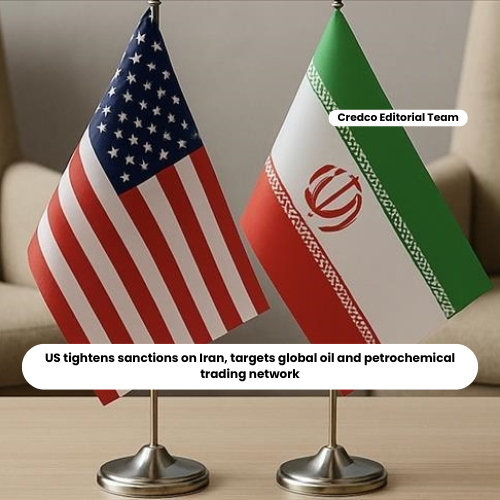
The new measures, introduced by the US Department of State and the US Treasury Department, mainly focus on what American authorities describe as Iran’s “shadow oil economy.” Washington said the objective is to restrict revenue channels connected to Iran’s strategic and military-linked institutions.
Under the latest sanctions package, several companies accused of supporting the marketing, purchase, and sale of Iranian-origin petrochemical products in international markets have been added to the restrictions list.
US officials stated that Iran’s petrochemical sector has become an increasingly important source of export revenue as long-standing sanctions continue limiting the country’s crude oil sales. By targeting traders, intermediaries, and executives associated with petrochemical transactions, the United States is seeking to tighten monitoring of supply chains moving Iranian cargoes into global markets.
The sanctions also include multiple vessel management companies and several ships allegedly used for transporting Iranian oil and petrochemical products.
According to US authorities, some vessels were involved in deceptive shipping practices such as concealed routing operations and complicated ownership arrangements designed to hide cargo origin and destination details.
Washington believes these maritime networks play a major role in maintaining Iranian energy exports despite existing restrictions. The latest sanctions are intended to increase operational and compliance risks for shipping companies and traders involved in Iranian-linked cargo movements.
In a parallel move, the US Treasury Department also imposed sanctions on a separate oil sales network accused of facilitating the movement of tens of millions of barrels of Iranian crude oil.
American officials alleged that proceeds generated through these oil transactions benefit Iran’s military-related organizations, including the Islamic Revolutionary Guard Corps (IRGC).
The latest sanctions signal a further escalation in US efforts to restrict Iranian oil and petrochemical exports, potentially creating additional uncertainty for regional trade flows, shipping activity, and global energy markets.
Stay ahead of market trends with the Credco app. For any queries, please reach out via WhatsApp at +91 8448083211.
Related on the Wire
- Crude·Thursday, 5 November 2026
Oil Prices Hit Two-Month Lows as US Midterm Results Boost Iran Deal Hopes
Crude oil prices extended their recent losses on Wednesday, November 4, falling by more than 8% to their lowest levels in over two months. The sharp decline followed the US midterm election results, which strengthened expectations that Washington could seek a diplomatic resolu…
Read story - Crude·Monday, 2 November 2026
Crude Oil Slides Nearly 3% as Iran Diplomacy Reduces Supply Risk
Global crude oil prices dropped sharply on Monday, November 2, giving back part of the gains recorded at the end of October. Renewed diplomatic efforts to resolve the US-Israeli conflict with Iran eased immediate concerns over supply disruptions, although ongoing instability i…
Read story - Crude·Monday, 28 September 2026
Oil Prices Rebound as Trump Rejects Iran Peace Proposal
Oil prices moved higher on Monday after US President Donald Trump rejected a peace proposal put forward by Iran, increasing uncertainty around diplomatic efforts to resolve the conflict and keeping concerns over Middle Eastern oil supplies elevated. Iran had submitted the prop…
Read story - Crude·Thursday, 24 September 2026
Brent Stays Above $100 as US-Iran Talks Remain Stalled
Oil prices continued to move higher on Thursday, with Brent holding above the $100/bbl mark as the absence of clear progress in US-Iran negotiations kept geopolitical and supply concerns in focus. The gains followed a strong advance on Wednesday, when November Brent crude incr…
Read story