Vol. XI · The Credco WireOne paisa moves a market
The Credco Wire

"What moved markets — and why it matters for your next polymer buy." — Credco

Back to the wire
PolymerMonday, 4 May 2026·India

Market shift: Iran turns to Turkey for polymer supplies amid war-led disruptions

Market shift: Iran turns to Turkey for polymer supplies amid war-led disruptions
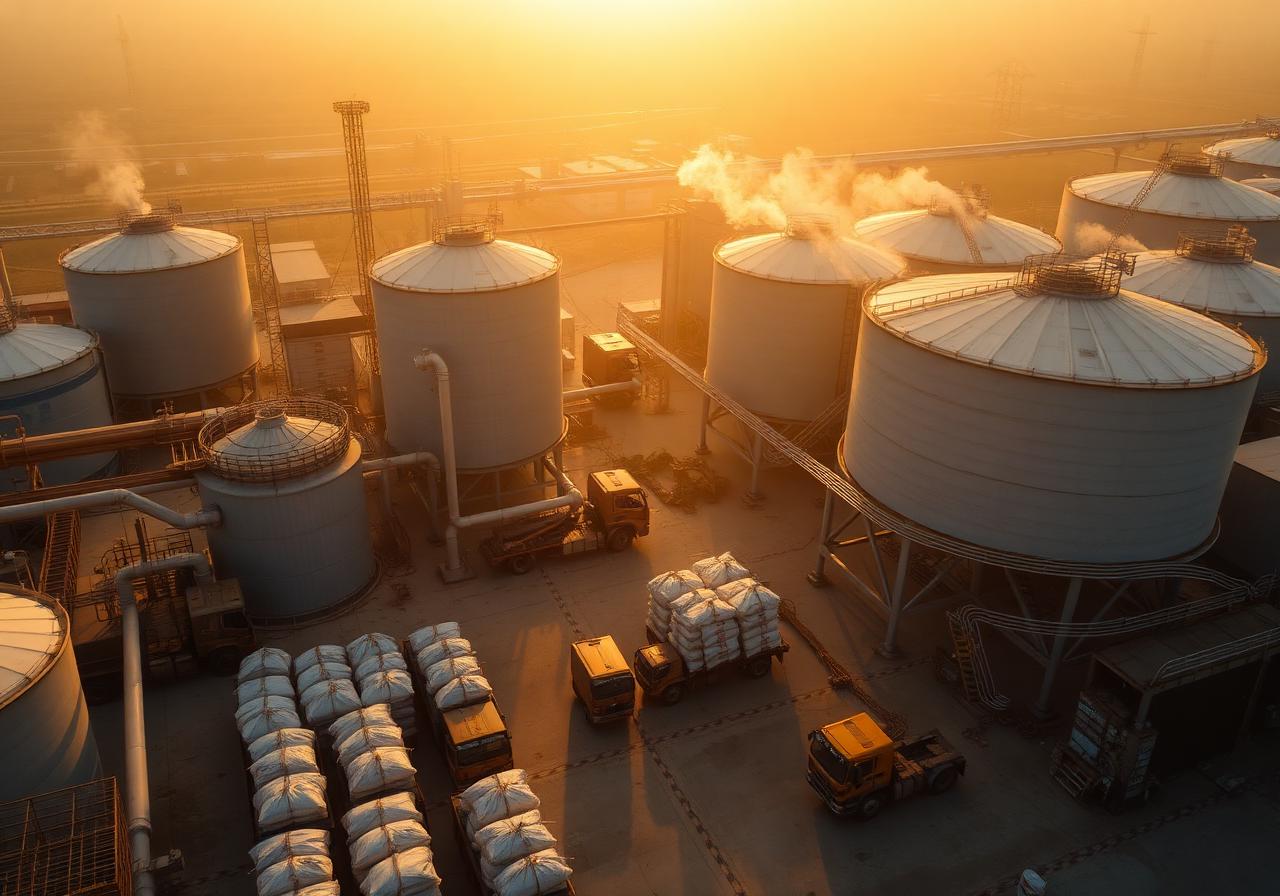
The ongoing US–Iran conflict, which began in late February, continues to disrupt global commodity markets and regional supply chains. Alongside rising energy prices, significant production losses in crude oil, petrochemicals, and related sectors—combined with severe bottlenecks around the Strait of Hormuz—have created widespread supply challenges. Iran has been one of the hardest-hit countries, with key petrochemical hubs such as Asaluyeh and Mahshahr facing major operational disruptions.

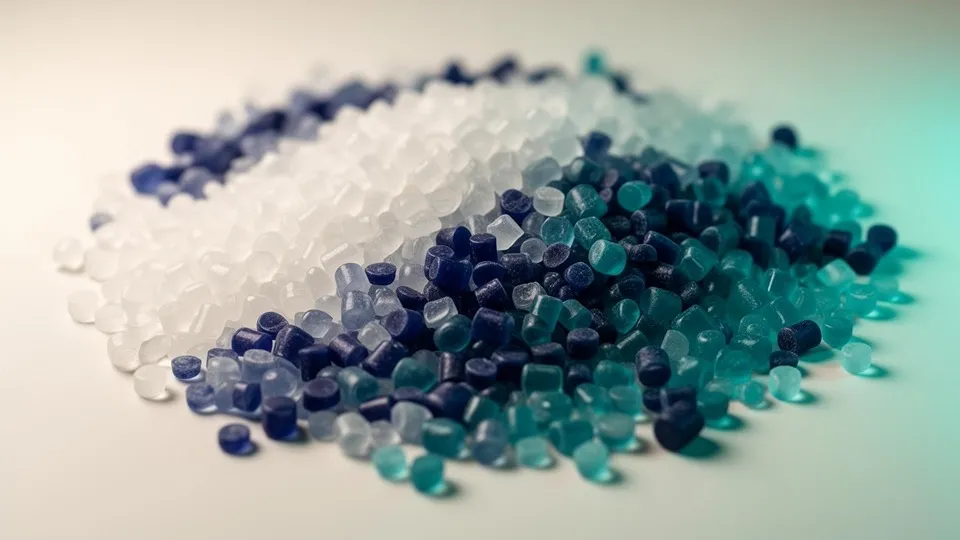
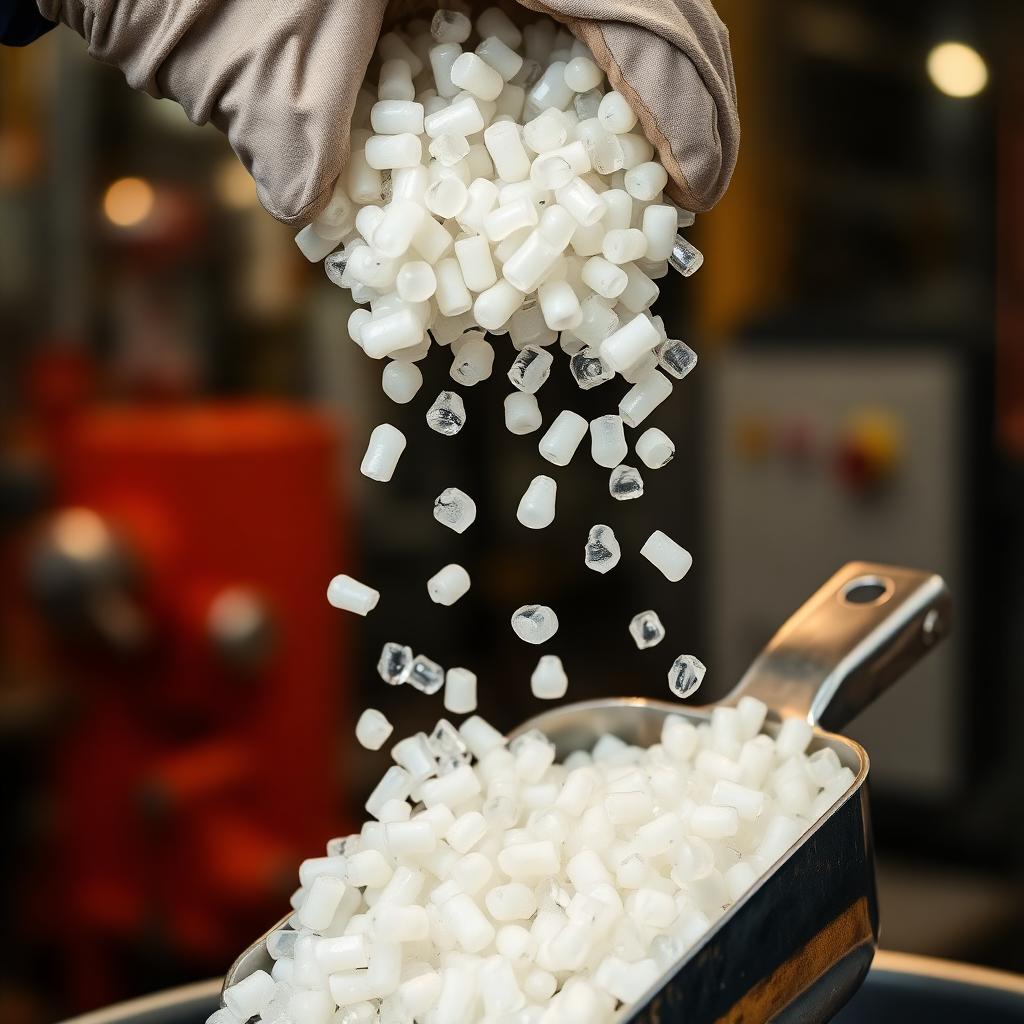
Iran emerges as a buyer in Turkey’s polymer market, In a notable shift, Iran—traditionally a key supplier of polyethylene (PE) to Turkey—has recently entered the market as a buyer. Industry participants report a rise in inquiries from Iranian buyers seeking polypropylene (PP), polyethylene (PE), and polyvinyl chloride (PVC) from Turkish suppliers to offset domestic shortages.

Market sources indicate that several deals have already taken place, particularly for PVC, with Iranian buyers showing readiness to accept higher prices due to urgent supply needs.
Production losses drive import demand.

Iran’s petrochemical sector has been severely impacted, with a large portion of its production capacity disrupted following attacks on major industrial zones. Estimates suggest that facilities representing nearly three-quarters of the country’s petrochemical capacity have been affected, significantly reducing output.

These disruptions, along with constraints on exports, have removed substantial volumes of PE, PP, and PVC from both regional and global markets.

Exporter to importer: A major reversal Historically, Iran has been a net exporter of polymers. In 2025, exports of PP, PE, and PVC exceeded 2.5 million tons, with key destinations including China, Turkey, and Iraq. Imports, in comparison, remained minimal at less than 100,000 tons.
The current situation marks a significant reversal, as domestic shortages force Iranian buyers to source material from external markets, including Turkey.

Core production hubs heavily affected Iran’s total petrochemical production capacity stands at around 75 million tons per year, with approximately 29 million tons typically allocated for exports. However, current estimates indicate that around 75–76% of this capacity has been impacted.


Mahshahr, with a capacity of about 26 million tons per year, has seen nearly 17 million tons of production disrupted or shut down.

Asaluyeh, which accounts for nearly half of the country’s output, has faced widespread shutdowns due to utility disruptions affecting power, water, and oxygen supply.

These two hubs form the backbone of Iran’s polymer production, and their disruption has affected the entire value chain.
Supply shock impacts regional markets.

The shutdown of major facilities and the reduction in exports have effectively removed large volumes of polymers and related products from the market. Iran’s usual export flow of around 29 million tons per year has been significantly curtailed, tightening supply across multiple regions.

As a result, regional trade flows are being reshaped, with Turkey emerging as a temporary supply source for Iranian buyers. Market participants expect continued volatility as supply disruptions persist and demand adjusts to the new trade dynamics.

Stay ahead of market trends with the Credco app. For any queries, please reach out via WhatsApp at +91 8448083211.
Get the App

Polymer prices,
in your pocket.

Live PP, PVC, HDPE, LDPE, LLDPE & EVA prices — order, track and reorder from one app.

4.82000+ traders onboard20+ states served

Are you a polymer producer or trader?

List your grades on Credco — reach 4000+ verified buyers across 20+ states.