PolymerWednesday, 1 July 2026·India
India's Proposed LLDPE Duties Could Reshape Import Trade

India’s recommendation to impose anti-dumping duties on LLDPE imports from several key supplying countries is expected to significantly alter regional trade patterns and sourcing strategies. Market participants are closely evaluating the potential impact as the proposed measures could affect both import flows and domestic market dynamics over the next few years.
The recommended duties target major exporting nations that have historically supplied a substantial share of India's LLDPE requirements. If implemented, these measures are likely to increase import costs from affected origins, prompting buyers to reassess procurement strategies and explore alternative supply sources.
Suppliers from the Middle East and Malaysia, which have long benefited from competitive production economics and proximity to India, may be forced to redirect volumes to other export destinations. At the same time, exporters from countries not covered by the investigation could gain opportunities to expand their presence in the Indian market. Industry sources also expect North American suppliers to increase efforts to capture additional market share.
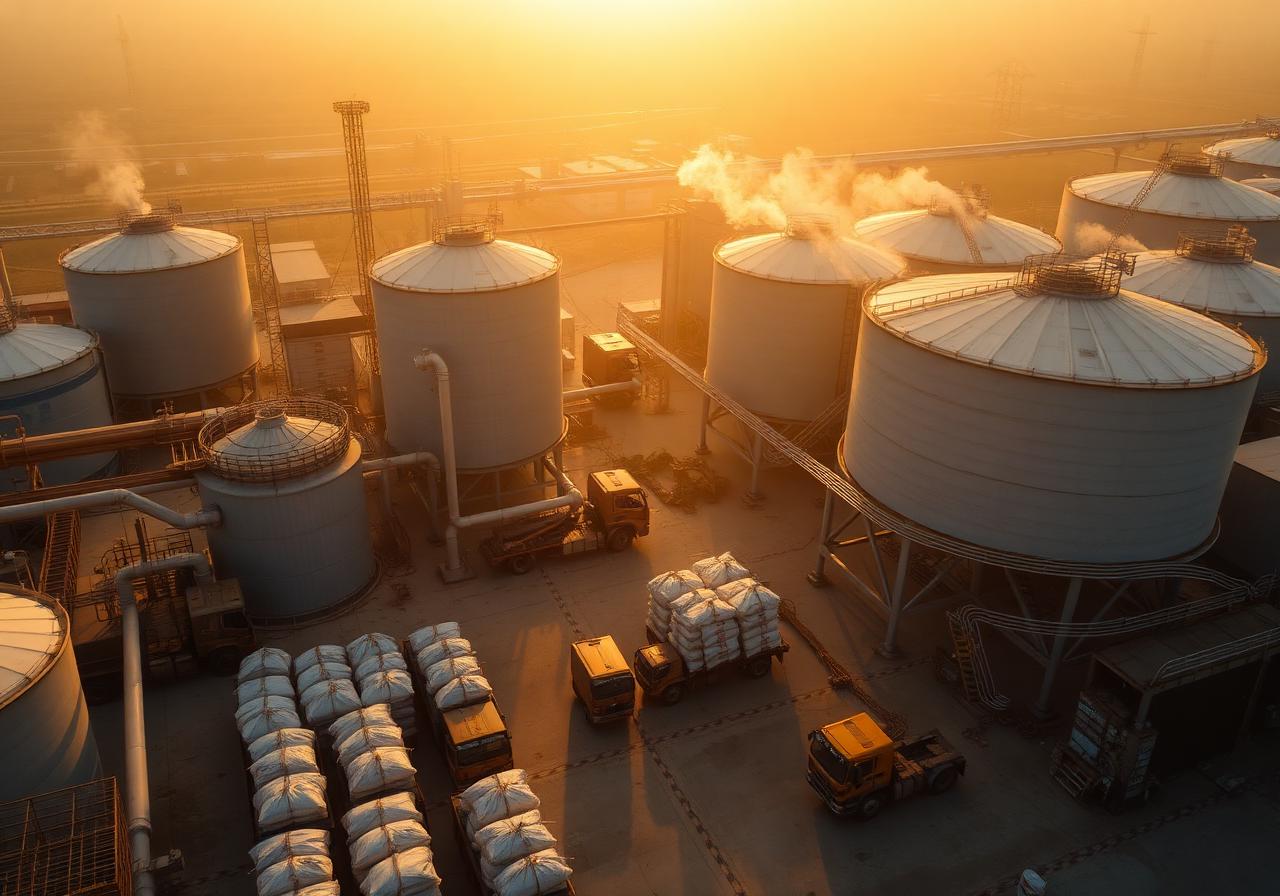
The proposed duties come at a time when India is rapidly expanding its domestic polyethylene production capacity. Major investments made by local producers are expected to strengthen the country's self-sufficiency in LLDPE and HDPE over the coming years. Recent capacity additions and upcoming petrochemical projects are expected to gradually reduce reliance on imports while supporting local manufacturing growth.
Domestic producers have welcomed the proposed protection, arguing that low-priced imports have pressured margins and limited operating efficiency. The recommended duties could provide greater support for local production and improve utilization rates at domestic facilities.
However, concerns remain among plastic processors and packaging manufacturers. Many downstream players fear that reduced competition from imports could lead to higher raw material costs, potentially affecting the competitiveness of finished plastic products in both domestic and export markets.
Market sentiment has already turned cautious despite the duties not yet being formally implemented. Importers are becoming increasingly careful about placing orders for long-transit cargoes due to uncertainty surrounding the timing of the final government decision. This cautious approach may tighten spot availability and keep market activity subdued until greater clarity emerges.
The overall impact on prices and supply will largely depend on how quickly domestic producers can meet market demand and how global suppliers adjust their trade strategies in response to the proposed duties.
Stay ahead of market trends with the Credco app. For any queries, please reach out via WhatsApp at +91 8448083211
The recommended duties target major exporting nations that have historically supplied a substantial share of India's LLDPE requirements. If implemented, these measures are likely to increase import costs from affected origins, prompting buyers to reassess procurement strategies and explore alternative supply sources.
Suppliers from the Middle East and Malaysia, which have long benefited from competitive production economics and proximity to India, may be forced to redirect volumes to other export destinations. At the same time, exporters from countries not covered by the investigation could gain opportunities to expand their presence in the Indian market. Industry sources also expect North American suppliers to increase efforts to capture additional market share.
The proposed duties come at a time when India is rapidly expanding its domestic polyethylene production capacity. Major investments made by local producers are expected to strengthen the country's self-sufficiency in LLDPE and HDPE over the coming years. Recent capacity additions and upcoming petrochemical projects are expected to gradually reduce reliance on imports while supporting local manufacturing growth.
Domestic producers have welcomed the proposed protection, arguing that low-priced imports have pressured margins and limited operating efficiency. The recommended duties could provide greater support for local production and improve utilization rates at domestic facilities.
However, concerns remain among plastic processors and packaging manufacturers. Many downstream players fear that reduced competition from imports could lead to higher raw material costs, potentially affecting the competitiveness of finished plastic products in both domestic and export markets.
Market sentiment has already turned cautious despite the duties not yet being formally implemented. Importers are becoming increasingly careful about placing orders for long-transit cargoes due to uncertainty surrounding the timing of the final government decision. This cautious approach may tighten spot availability and keep market activity subdued until greater clarity emerges.
The overall impact on prices and supply will largely depend on how quickly domestic producers can meet market demand and how global suppliers adjust their trade strategies in response to the proposed duties.
Stay ahead of market trends with the Credco app. For any queries, please reach out via WhatsApp at +91 8448083211