
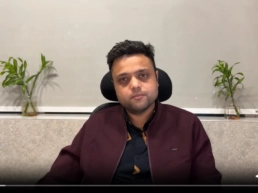
“We used to compare plastic granules prices with other vendors — and Credco’s prices always came out to be the lowest. Now, we directly opt for Credco.”
Ankit Kansal, Director, Bharat Propack Pvt Ltd
Buy and sell PP, PVC, HDPE, LDPE, LLDPE and EVA - one transparent exchange, one best price.
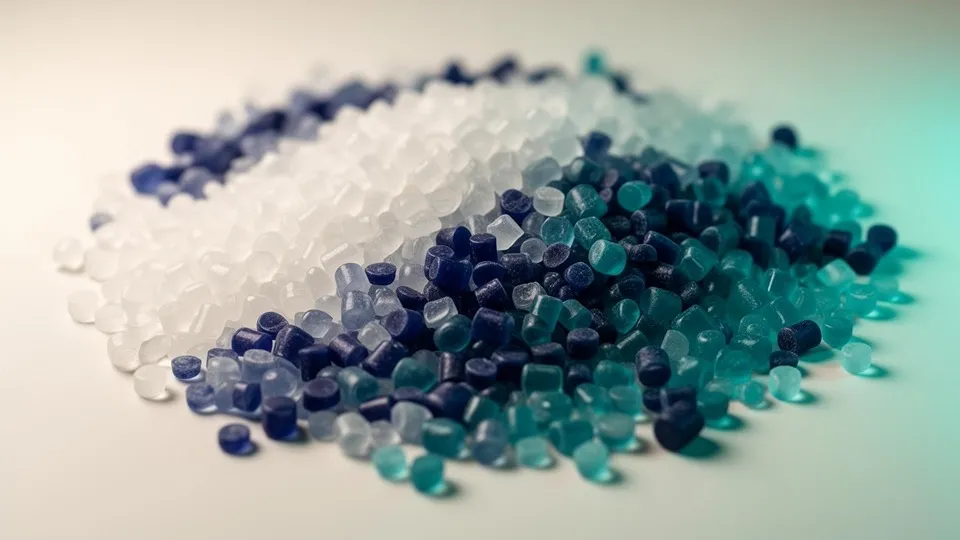
Sourcing from world's leading companies
Tap any row below to open that grade's page — 30-day chart, MFI specs and producer detail.
+22 more PP grades available in the Credco app
Download appShowing top 24 of 46 PP grades · Indicative prices · Ex-godown · Updated every day.
iOS and Android. Sign up with your GST in 60 seconds.

Track the grades you actually buy. Get price alerts in real time.
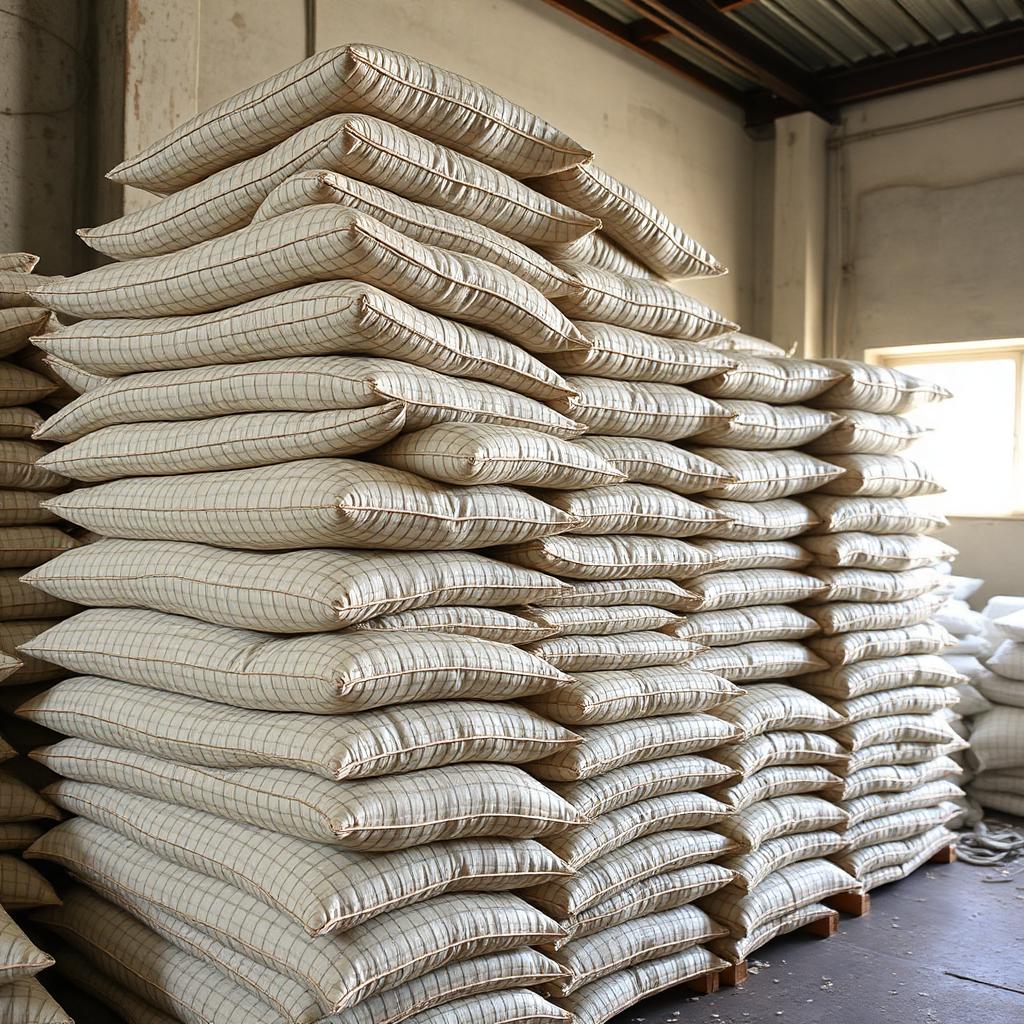
Pay your way, track your truck, receive your bags. 24–48 hours.
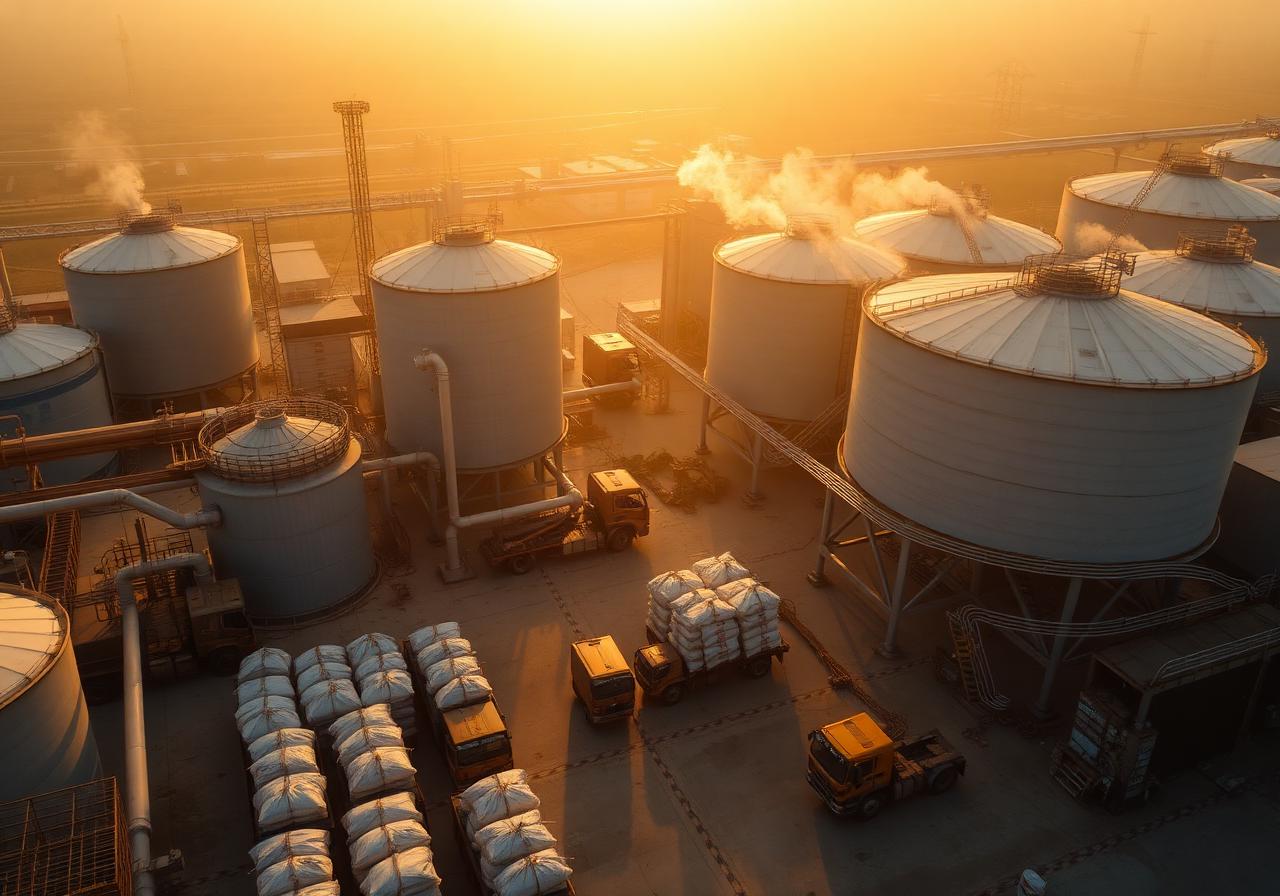
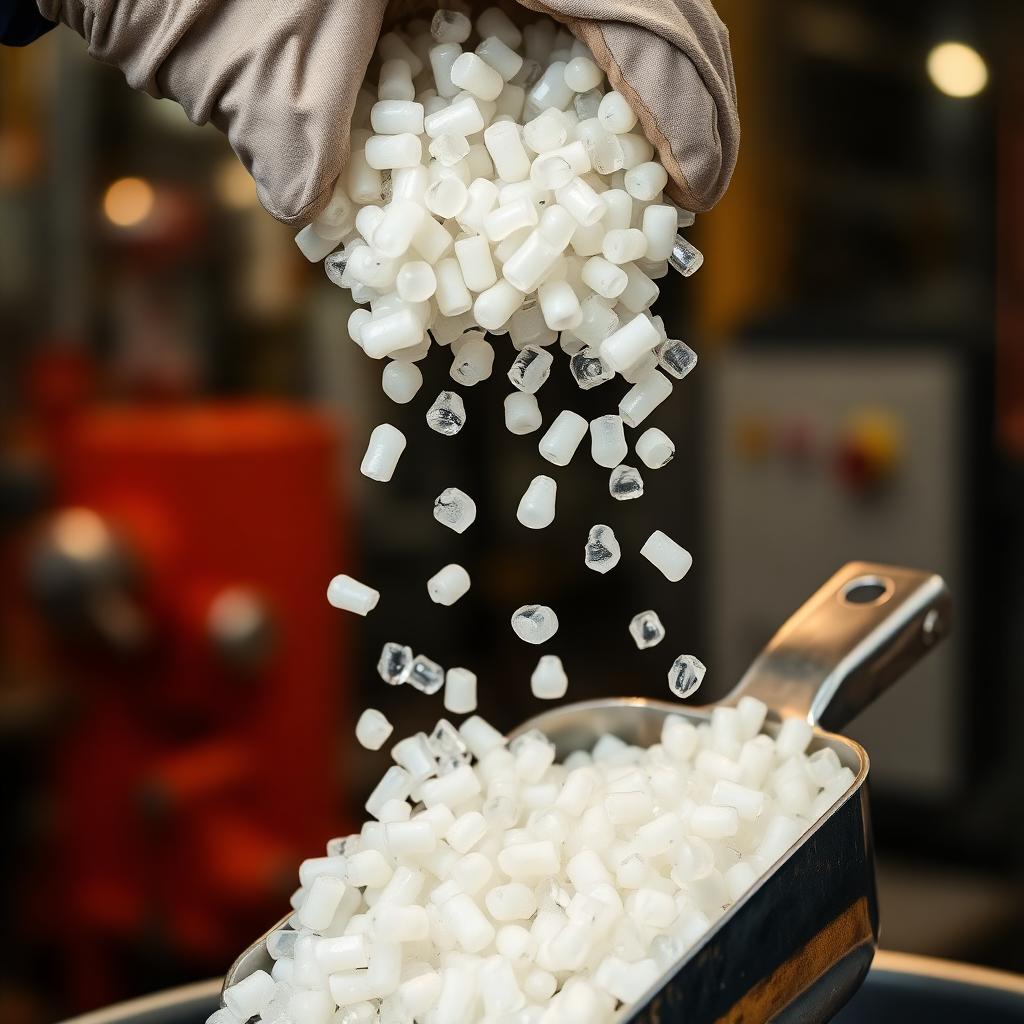
From food packaging to drip irrigation, automotive bumpers to medical bottles — Credco supplies the grades that build modern India.
“We used to compare plastic granules prices with other vendors — and Credco’s prices always came out to be the lowest. Now, we directly opt for Credco.”
Ankit Kansal, Director, Bharat Propack Pvt Ltd
Live PP, PVC, HDPE, LDPE, LLDPE & EVA prices — order, track and reorder from one app.
Are you a polymer producer or trader?
List your grades on Credco — reach 4000+ verified buyers across 20+ states.