
Global LNG Supply Chains Under Pressure as War Disrupts Energy Flows
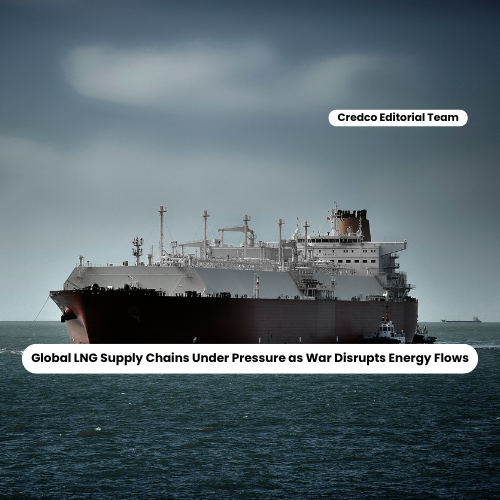
Until recently, markets were preparing for a surplus of LNG, driven by expanding export capacity, particularly from the United States. However, the situation changed dramatically after military strikes on energy infrastructure in the region and subsequent retaliatory actions. Key facilities, including major gas fields and processing units, were affected, leading to significant disruptions in LNG exports.
One of the biggest shocks came when Qatar declared force majeure on several LNG shipments following damage to its infrastructure. Given that Qatar accounts for a substantial share of global LNG production, the disruption immediately tightened supply chains and raised concerns across importing nations.
As a result, LNG prices have surged sharply since the conflict began, despite the fact that overall production capacity remains relatively strong. Experts emphasize that this is not a traditional supply shortage but rather a breakdown in logistics and delivery systems, with key transit routes and infrastructure facing operational challenges.
Asian markets, which rely heavily on LNG imports, are feeling the pressure the most. The region is now facing another energy supply crunch, forcing countries to reassess their procurement strategies. Recent data shows a significant drop in LNG imports across Asia, reflecting both high prices and reduced availability.
The ongoing disruption has also raised questions about the reliability of long-term LNG suppliers. Regions that were once considered stable energy hubs are now viewed with caution, potentially reshaping global trade flows in the coming years.
High LNG prices are already impacting demand patterns. Several countries are turning back to alternative fuels such as coal to manage costs and ensure energy security. Even developed economies are reconsidering their energy mix as affordability becomes a key concern.
At the same time, uncertainty around future LNG availability is influencing investment decisions. While global energy demand is expected to continue growing—driven by industrial expansion, households, and rising digital infrastructure—current disruptions may delay or reshape new projects and capacity expansions.
Repairing damaged infrastructure and restoring normal supply chains is expected to take considerable time, potentially years. Until then, the LNG market is likely to remain volatile, with tight supply conditions and shifting demand trends continuing to define the global energy landscape.
Stay ahead of market trends with the Credco app. For any queries, please reach out via WhatsApp at +91 8448083211.
Related on the Wire
- Supply·Tuesday, 29 September 2026
EU PVC Investigation Puts Major Supply Routes Under Review
The European Union has opened a new anti-dumping investigation into PVC imports from China, South Korea, Mexico and Taiwan, placing another important source of imported resin under scrutiny. These four origins increased their presence in the EU market after anti-dumping measur…
Read story - Supply·Thursday, 5 November 2026
Tightening Supply Drove Up Propylene Prices, and There Is a Strong Expectation of a Pullback from Highs in November
In October, the domestic propylene market in India saw a significant increase in prices, primarily due to a contraction in supply. This contraction was caused by maintenance activities at key production facilities, which, combined with a surge in restocking demand from downstr…
Read story - Supply·Wednesday, 4 November 2026
Tightening Supply Drove Up Propylene Prices, Strong Pullback Expected in November
In October, the domestic propylene market in India experienced a significant surge in prices, driven by a notable contraction in supply. This was largely due to concentrated maintenance activities at key production facilities, combined with a spike in restocking demand from do…
Read story - Supply·Friday, 23 October 2026
Asian Ethylene Prices Extend Gains on Higher Feedstock Costs and Tight Supply
Asian ethylene prices continued to strengthen this week, with assessments for both CFR China and CFR Southeast Asia increasing by $10/ton from the previous week. Rising crude oil and naphtha costs, active buying by traders and persistent supply constraints supported the market…
Read story