PolymerTuesday, 5 May 2026·India
Lower-priced PP and PE gain traction as Southeast Asian buyers turn more cost-focused

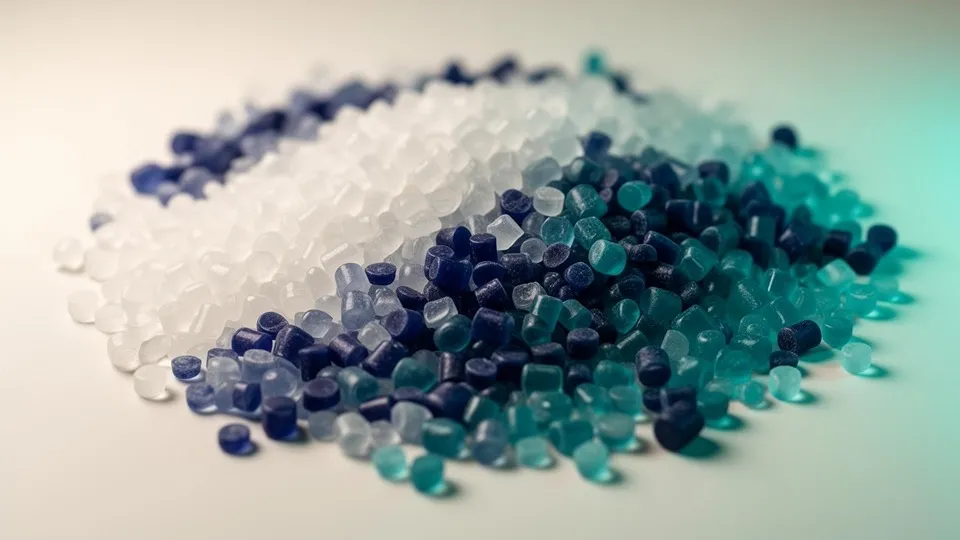
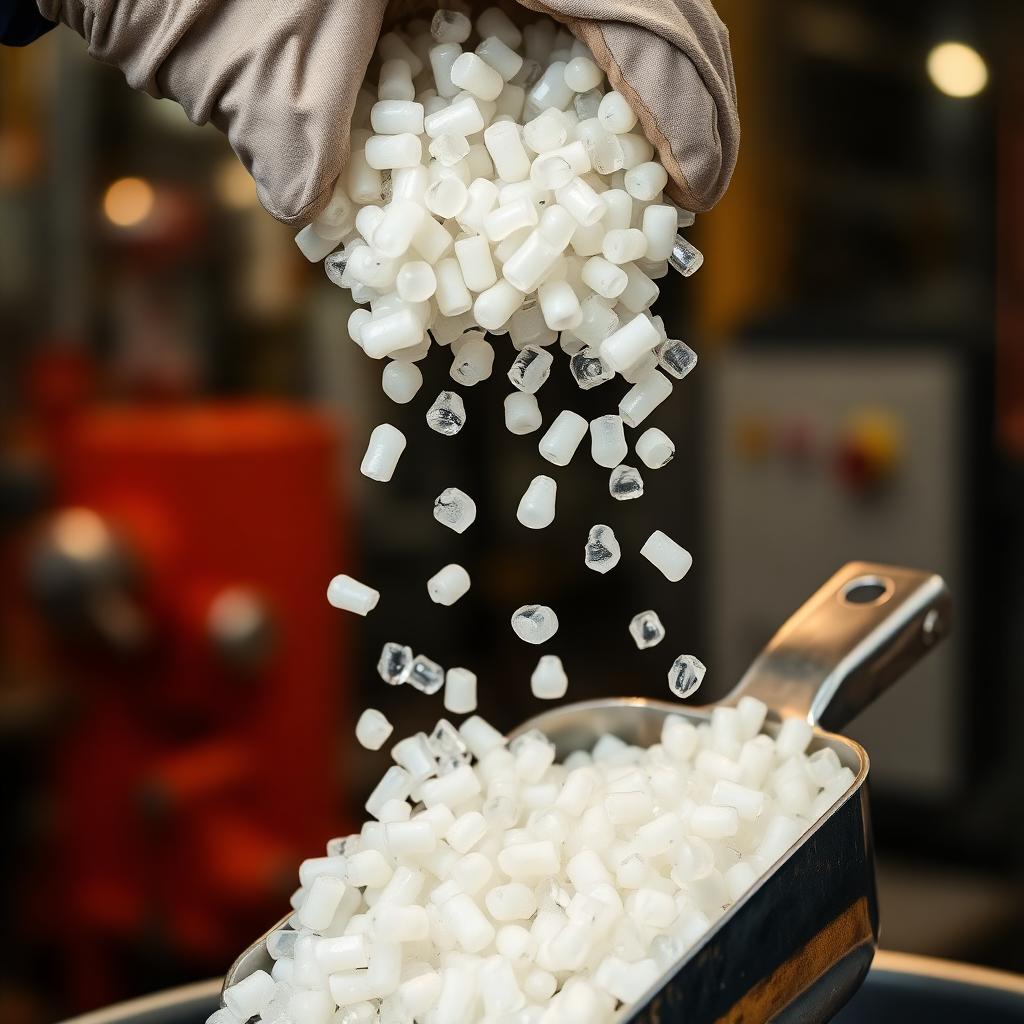
Polypropylene (PP) and polyethylene (PE) markets in Southeast Asia have entered a softer phase, with prices either stabilizing or gradually declining as the earlier upward trend loses strength. Although supply remains somewhat tight—especially with fewer offers from the Middle East—market direction is now being driven more by weak demand and the increasing presence of competitively priced Chinese and off-grade materials.
Buyers, facing limited support from downstream markets and still-elevated prices from traditional suppliers, are either shifting to cheaper alternatives or delaying purchases. This growing preference for lower-cost material is putting consistent pressure on prices across both PP and PE segments.
Chinese cargoes set new price benchmarks
Chinese-origin products continue to define the lower end of the market, particularly for key grades like homo-PP raffia, LLDPE film, and HDPE film. Aggressive pricing from Chinese suppliers has effectively reset market floors across the region.
Recent deals indicate that homo-PP raffia has dropped below $1300/ton to around $1255/ton CIF. HDPE film has been offered near $1300/ton CIF, while coal-based LLDPE film has fallen below $1200/ton, reaching levels as low as $1180/ton CIF.
This has widened the gap between Chinese material and traditional Middle Eastern supplies. Discounts have reached up to $255/ton for homo-PP raffia, $450/ton for HDPE film, and as much as $470/ton for LLDPE film. The significant price difference is strengthening the appeal of Chinese cargoes while raising concerns over how long higher-priced offers from other regions can remain viable in a weak demand environment.
Meanwhile, LDPE film has shown relative stability due to limited competition from China. However, early signs of correction have emerged, with a major regional producer reportedly cutting offers from around $1950/ton CIF to $1650–1700/ton CIF, reflecting broader market pressure.
Buyers shift strategy amid weak demand
Across Southeast Asia, purchasing behavior has become increasingly price-driven. With demand remaining subdued and margins under pressure, buyers are focusing on cost efficiency rather than supplier origin.
Many converters are now purchasing only for immediate needs, while those with sufficient inventories are delaying buying decisions in anticipation of further price corrections. The availability of cheaper alternatives has reinforced this cautious approach.
Off-grade cargoes from the US have also entered the market at attractive levels, with HDPE and LLDPE reported in the low-$1100s/ton range. Combined with lower-priced Chinese offers, these options are gaining acceptance among buyers who are reluctant to pay premiums for traditional supplies.
Market participants note that resistance to higher-priced material remains strong. Some buyers are even willing to switch sourcing strategies as inventories tighten, prioritizing affordability over long-standing supply channels.
Sellers increase flexibility to stimulate demand
In response to weak buying interest, sellers have started to adopt more flexible pricing strategies. Negotiations have become more active, with additional discounts being offered in some cases to move volumes.
Overall, the Southeast Asian PP and PE market is currently shaped by cautious demand, competitive pricing from alternative sources, and increasing price sensitivity among buyers—factors that are likely to keep pressure on prices in the near term.
Stay ahead of market trends with the Credco app. For any queries, please reach out via WhatsApp at +91 8448083211.
Buyers, facing limited support from downstream markets and still-elevated prices from traditional suppliers, are either shifting to cheaper alternatives or delaying purchases. This growing preference for lower-cost material is putting consistent pressure on prices across both PP and PE segments.
Chinese cargoes set new price benchmarks
Chinese-origin products continue to define the lower end of the market, particularly for key grades like homo-PP raffia, LLDPE film, and HDPE film. Aggressive pricing from Chinese suppliers has effectively reset market floors across the region.
Recent deals indicate that homo-PP raffia has dropped below $1300/ton to around $1255/ton CIF. HDPE film has been offered near $1300/ton CIF, while coal-based LLDPE film has fallen below $1200/ton, reaching levels as low as $1180/ton CIF.
This has widened the gap between Chinese material and traditional Middle Eastern supplies. Discounts have reached up to $255/ton for homo-PP raffia, $450/ton for HDPE film, and as much as $470/ton for LLDPE film. The significant price difference is strengthening the appeal of Chinese cargoes while raising concerns over how long higher-priced offers from other regions can remain viable in a weak demand environment.
Meanwhile, LDPE film has shown relative stability due to limited competition from China. However, early signs of correction have emerged, with a major regional producer reportedly cutting offers from around $1950/ton CIF to $1650–1700/ton CIF, reflecting broader market pressure.
Buyers shift strategy amid weak demand
Across Southeast Asia, purchasing behavior has become increasingly price-driven. With demand remaining subdued and margins under pressure, buyers are focusing on cost efficiency rather than supplier origin.
Many converters are now purchasing only for immediate needs, while those with sufficient inventories are delaying buying decisions in anticipation of further price corrections. The availability of cheaper alternatives has reinforced this cautious approach.
Off-grade cargoes from the US have also entered the market at attractive levels, with HDPE and LLDPE reported in the low-$1100s/ton range. Combined with lower-priced Chinese offers, these options are gaining acceptance among buyers who are reluctant to pay premiums for traditional supplies.
Market participants note that resistance to higher-priced material remains strong. Some buyers are even willing to switch sourcing strategies as inventories tighten, prioritizing affordability over long-standing supply channels.
Sellers increase flexibility to stimulate demand
In response to weak buying interest, sellers have started to adopt more flexible pricing strategies. Negotiations have become more active, with additional discounts being offered in some cases to move volumes.
Overall, the Southeast Asian PP and PE market is currently shaped by cautious demand, competitive pricing from alternative sources, and increasing price sensitivity among buyers—factors that are likely to keep pressure on prices in the near term.
Stay ahead of market trends with the Credco app. For any queries, please reach out via WhatsApp at +91 8448083211.