Plastic is everywhere—in our homes, cars, offices, and even medical instruments. Strong, lightweight, and affordable, it’s one of the most useful materials ever created. But what exactly is plastic made of, and why are there such a bunch of types, such as PP, HDPE, LLDPE, PVC, and EVA?
Let’s break it down in simple words.

The science behind plastic
Plastics are made from polymers, which are long chains of smaller units called monomers. These monomers are mainly derived from petroleum and natural gas. Through chemical processes such as polymerisation, these small molecules bond together to form strong, flexible materials – what we call plastics.
There are two main types of polymers:
Thermoplastics: Can be melted and reshaped a bunch of times (for example: PP, HDPE, PVC).
Thermosetting plastics: They cannot be remelted after moulding (for example, epoxy and melamine).
Most plastics used today are thermoplastics because they can be recycled and recycled.
Also read: PVC vs HDPE: Is plastic better for pipelines?
How is plastic made?
Extraction: Crude oil or natural gas is collected.
Refining: Hydrocarbons are separated into smaller molecules such as ethylene and propylene.
Polymerisation: These molecules are converted into polymers.
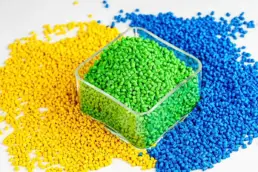
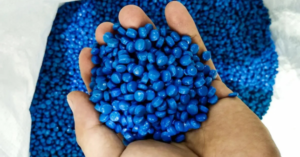
Pelletisation: The polymer is cooled and cut into plastic granules that are used by manufacturers to make products.
Companies like Credco Sourcing Pvt. Ltd., a reliable polymer supplier in India, help industries in sourcing premium-quality polymers and stay updated with live price trends.
Also read: PP M12 Granules – The Premium Polypropylene
The main types of plastics
Each type of plastic has unique properties and areas of use. Here are the most common: Polypropylene (PP)
PP is light, strong, and chemical resistant. It’s used for everything from packaging to furniture.
Applications: Household containers, films, car parts, textiles.
Popular grades:
- PP RIL H110MA
- PP CP, CM12
- B MH13
- B 100MC
Also read: Polypropylene (PP): A Sustainable and Efficient Solution for Today’s Industries
High-Density Polyethylene (HDPE)
HDPE is strong and durable with high impact and chemical resistance.
Applications: Water pipes, storage tanks, bottles.
Grades:
- PE 63
- PE 80
- PE 100 (used for industrial pipes and tanks).
Also read: Everything you need to know about high-density polyethylene (HDPE)
Linear Low-Density Polyethylene (LLDPE)
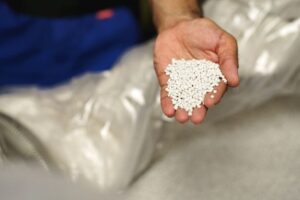
LLDPE combines strength and flexibility. It’s often used in packaging films and agricultural panels.
Applications: Stretch films, carry bags and linings.
Grades
- LLDPE R24A
- LLDPE R35A
- LLDPE 9018
Also read: An Overview of LLDPE: A Reliable and Multi-Use Plastic Solution
Polyvinyl Chloride (PVC)
PVC is strong and easy to mould. This is one of the most common types of plastic in the construction industry and the electrical industry.
Applications: pipes, cables and floor coverings.
grades:
- PVC S65
- PVC S67
- suspension and emulsion grades.
Ethylene Vinyl Acetate (EVA)
EVA is soft and flexible and is often used in products that require cushioning or transparency.
Area of use: shoe soles, wire, foil, solar panels.
Also read: Ethylene Vinyl Acetate (EVA) and its applications: intensive understanding
Why is plastic so useful?
Plastic is very popular because it’s
- Light and strong
- It can be easily molded into different shapes
- Resistant to water and chemicals
- Recyclable (in most forms of thermoplastics)
These properties make plastics cost-effective and ideal for industrial and consumer use.
The future of plastic in India
India’s demand for polymers is growing rapidly. Industries are increasingly focusing on environmentally friendly plastics and recycling techniques.
Digital platforms like Credco Sourcing Pvt. Ltd help buyers stay updated with the latest live market prices, compare grades like PP H110MA or HDPE PE100 and easily connect with trusted suppliers.
As the country moves towards sustainability, innovation in biodegradable and recyclable plastics will shape the next generation of materials.
Frequently asked questions
What is plastic made of?
Plastic is made up of hydrocarbons such as ethylene and propylene that are converted into polymers through chemical processes.
What are polymer granules?
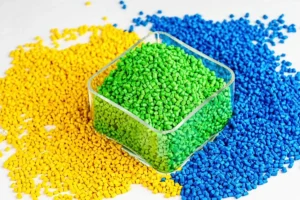
These are small pellets that are used as raw materials for the production of plastic products such as films, containers and pipes.
What is the most common plastic in India?
Polypropylene (PP) is the most widely used because it’s versatile, affordable and strong.
Can plastics be recycled?
Yes, most thermoplastics, such as PP, HDPE and LLDPE, can be recycled and reused.
Where can I find reliable polymer prices?
Visit Credco Sourcing Pvt. Ltd for real-time polymer prices, quality updates and sourcing opportunities.
Also read: Understanding Propylene: The Core of the Polymer Industry | Credco Sourcing
Conclusion
Plastics are the backbone of modern manufacturing – from packaging films to durable water pipes. Understanding what plastics are made of and how different grades perform helps industries choose the right material for each application.
With reliable Indian polymer suppliers like Credco Sourcing, high-quality polymers like PP, HDPE, LLDPE, PVC and EVA have become easier than ever.
Credco Sourcing Pvt. Ltd. not only simplifies polymer sourcing but also offers a dedicated mobile app with powerful tools:
- 6-month price charts for trend analysis
- Live polymer prices are updated daily
- Quotation function for direct communication with trusted suppliers and
- Custom watchlists for you and your favourite results.
With the Credco app, you can track market movements, compare prices and make smarter purchasing decisions – all in one place.
Download the app from the App Store and Play Store today and make your polymer procurement smarter, faster and more profitable.